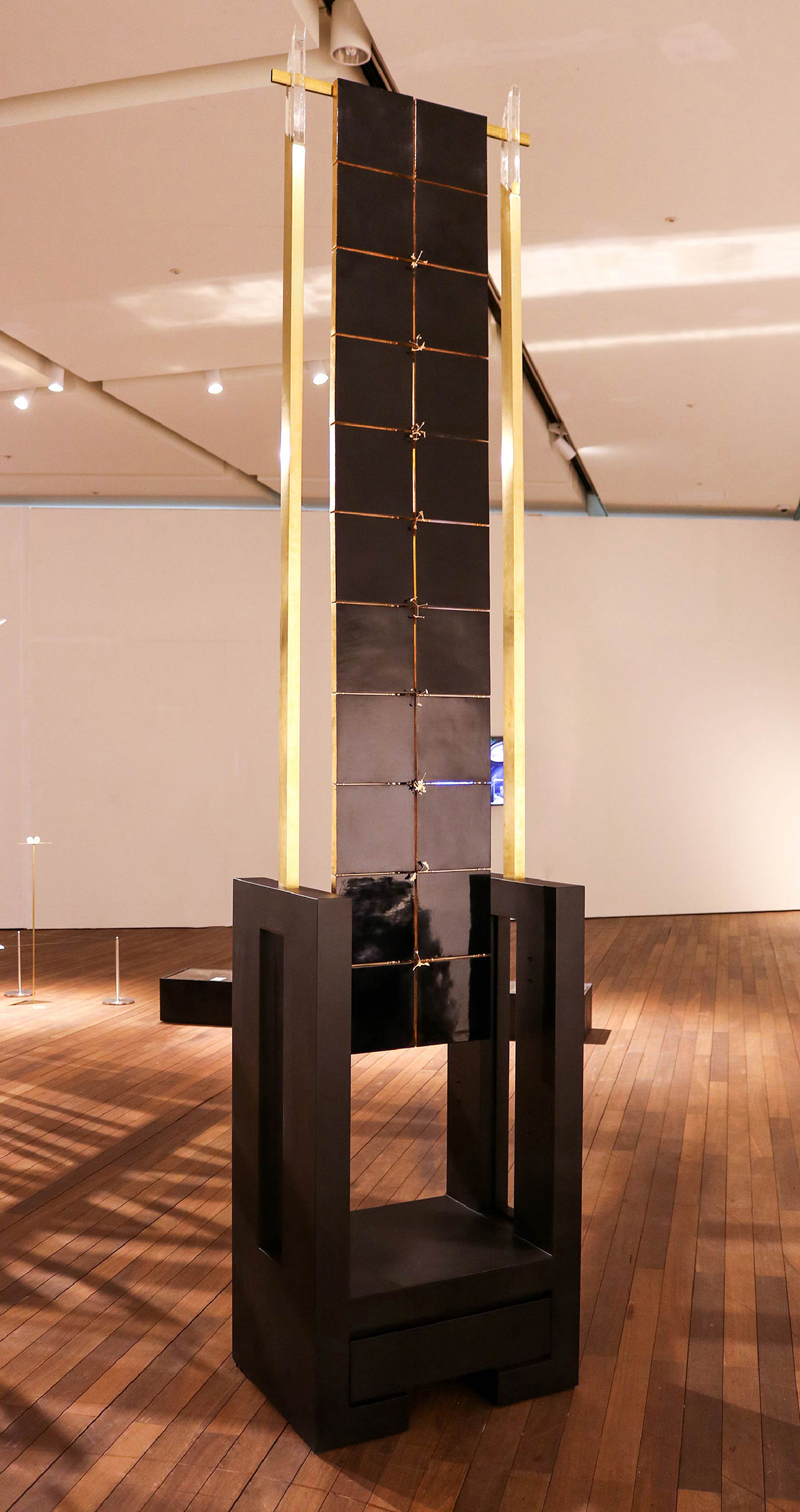
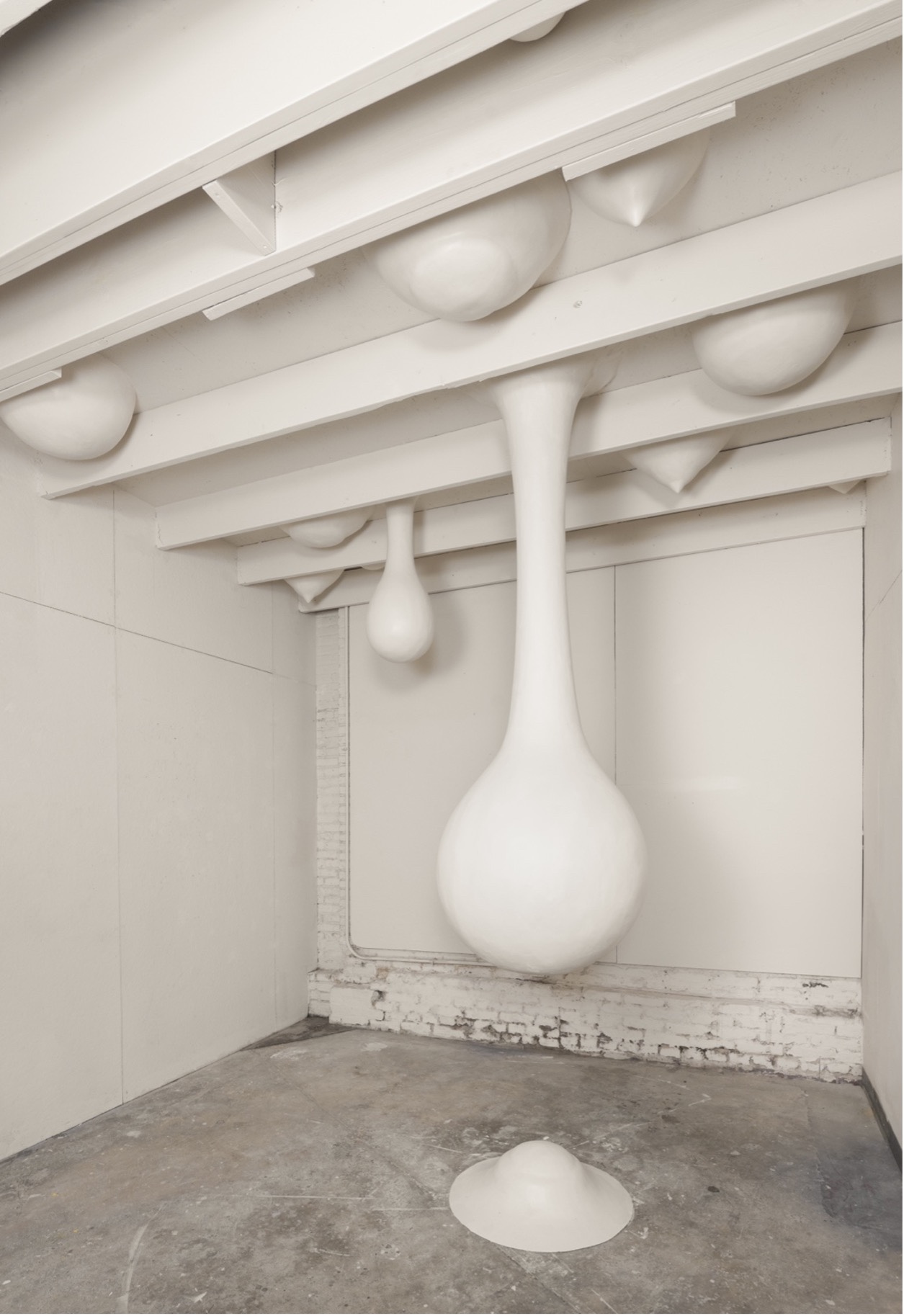
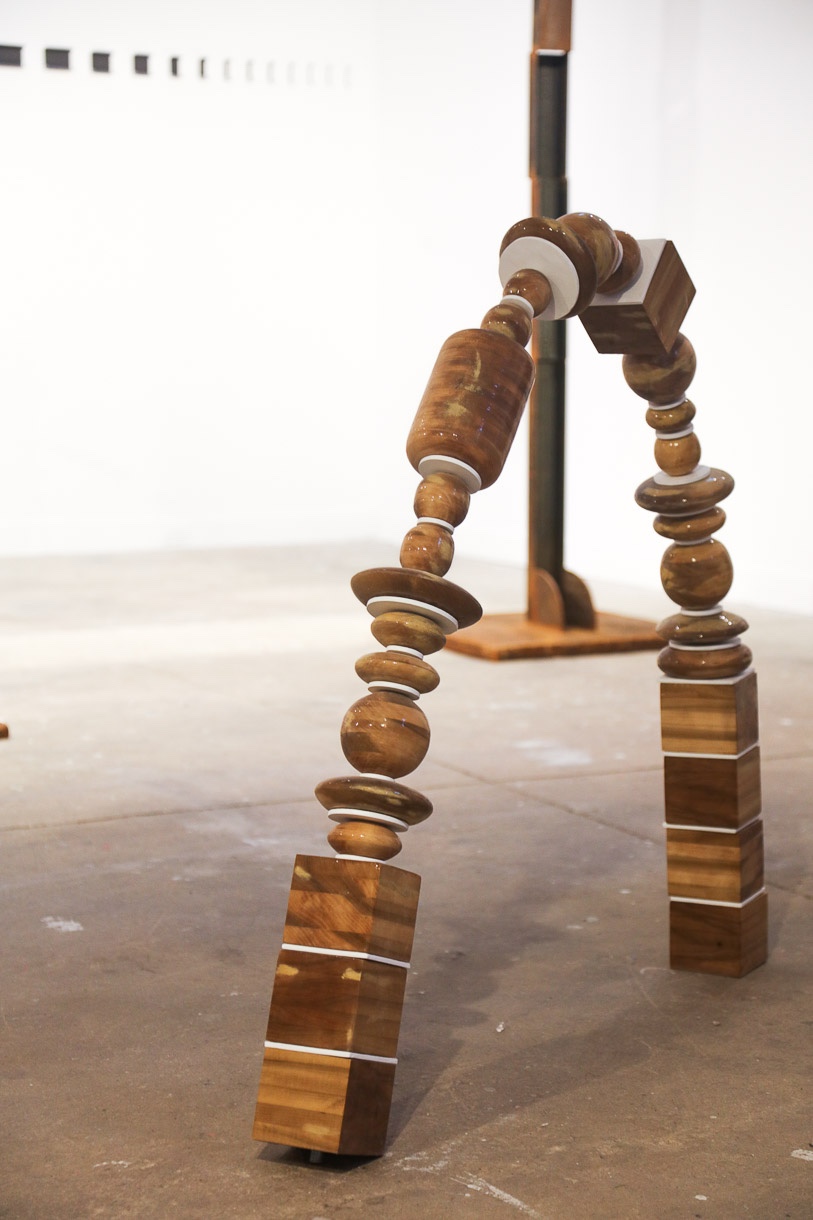
I don’t really see the smaller works as separate from the installations. To me, they function almost like concentrated fragments of the same bodily language. The larger installations tend to operate through immersion and spatial pressure - they affect the viewer through movement, scale, architecture, and physical proximity. The quieter works compress those same tensions into something more intimate and psychologically focused.
I’m interested in fragmentation because memory and bodily experience rarely exist as complete narratives. They appear in flashes, textures, sensations, partial images, or repeated gestures. The smaller works often hold that kind of fragmented intensity. They can feel more restrained or suspended, but I think they carry the same pressure as the larger pieces.
Scale also changes the relationship between the viewer and the object. A monumental work can overwhelm the body, while a smaller gesture can pull someone closer, forcing a more private or attentive encounter. I’m interested in how intimacy can sometimes become more uncomfortable than spectacle.
Even in quieter works, I still think sculpturally about tension, bodily projection, containment, and material behaviour. I want surfaces to feel as though they are holding something - pressure, memory, softness, leakage, restraint. So although the scale changes, the underlying language remains consistent. They are all attempting to negotiate the unstable relationship between bodies, objects, and space.




%20-%20Ariana%20Leon.jpg)

%20-%20Ariana%20Leon.jpg)