Forms of Attention
- Where Perception Becomes Form
Exhibiting Artists
Gaëlle Solange Étémé
Xinyu Liu
Mimi Pinnow
Yiwen Sun
Youyuan Wang
Wanlin Yan
Jianuo Zhang
Linjue Zhao
Nanxing Zheng
Yong Zheng
Curatorial Assistants
Yi Liu
Nanxing Zheng
Opening Reception · September 12, 2026, 5:30–7:30 PM
Exhibition Dates · September 12–October 12, 2026
Presented by Rexhibit × MUYAONo. 525 Zhuansheng Road, Zhuanqiao Town, Minhang District, Shanghai
Online: www.rexhibit.art
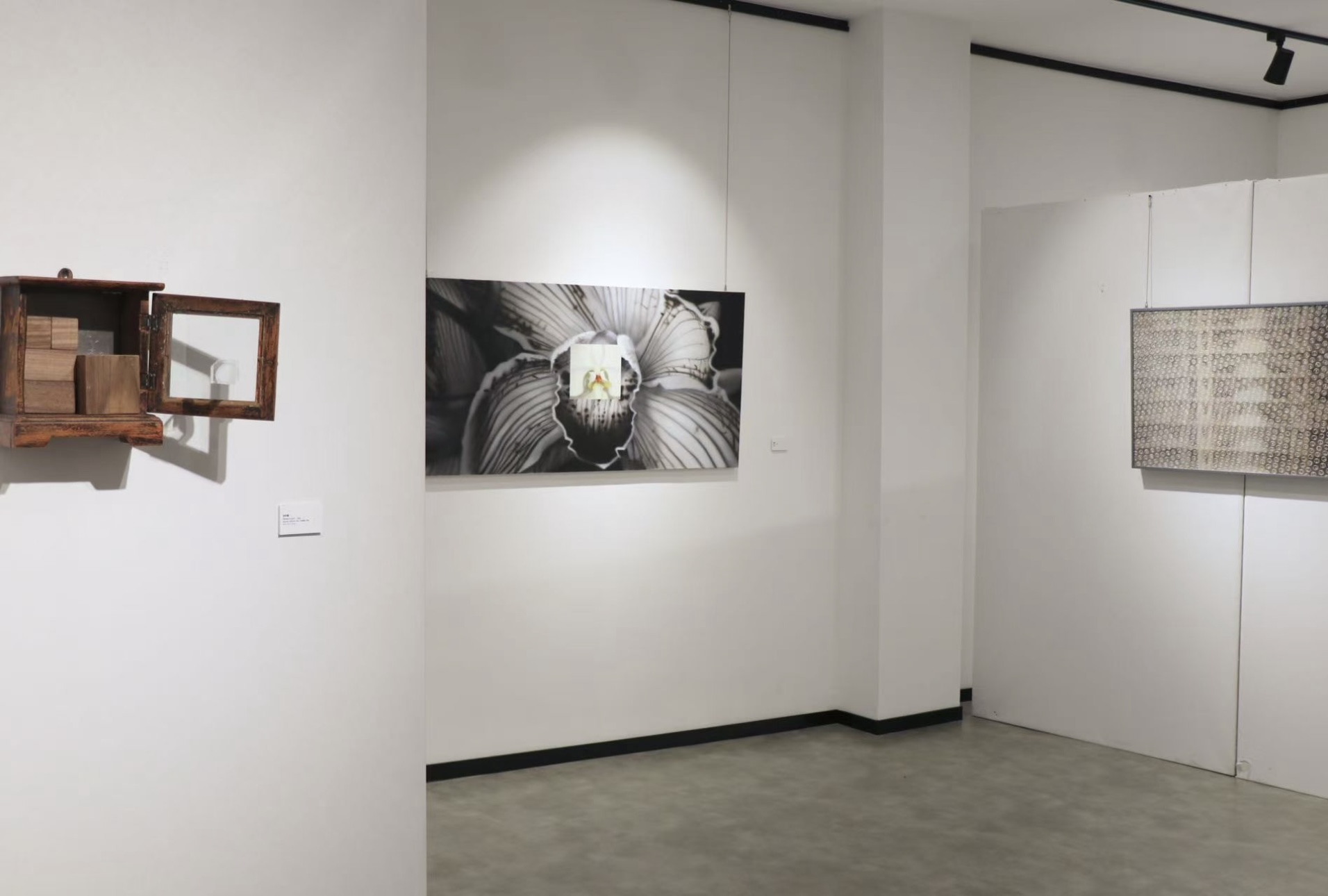
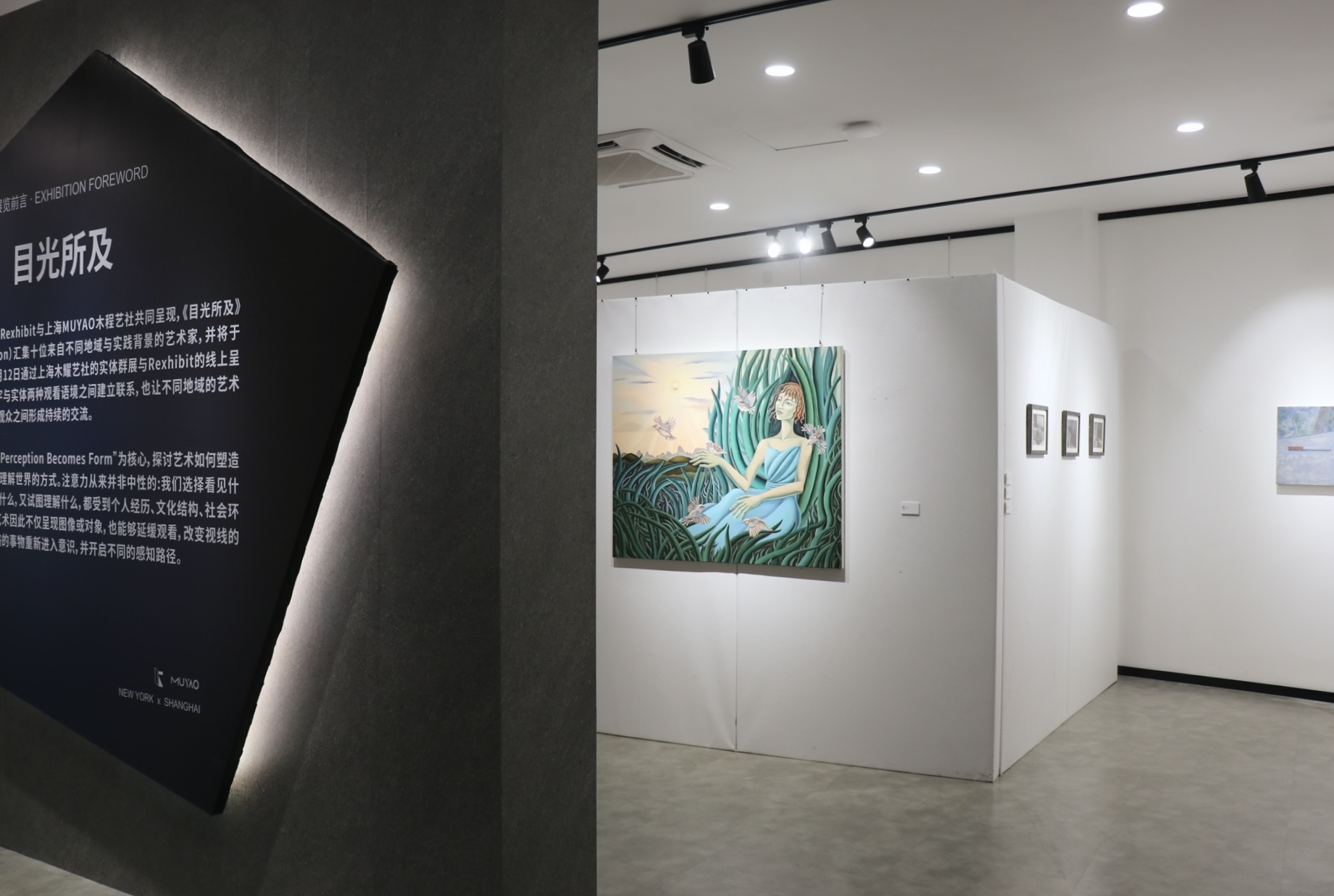
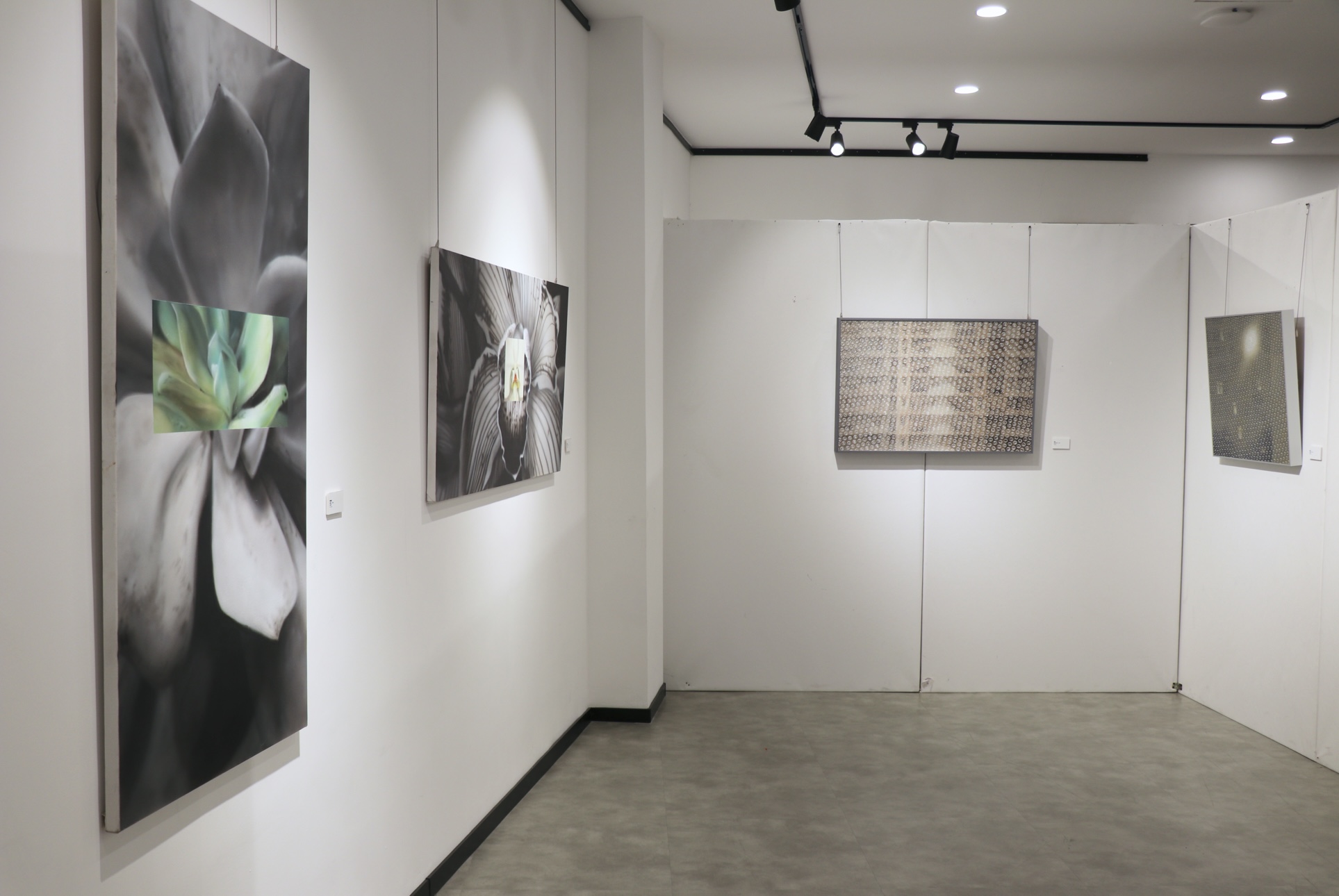
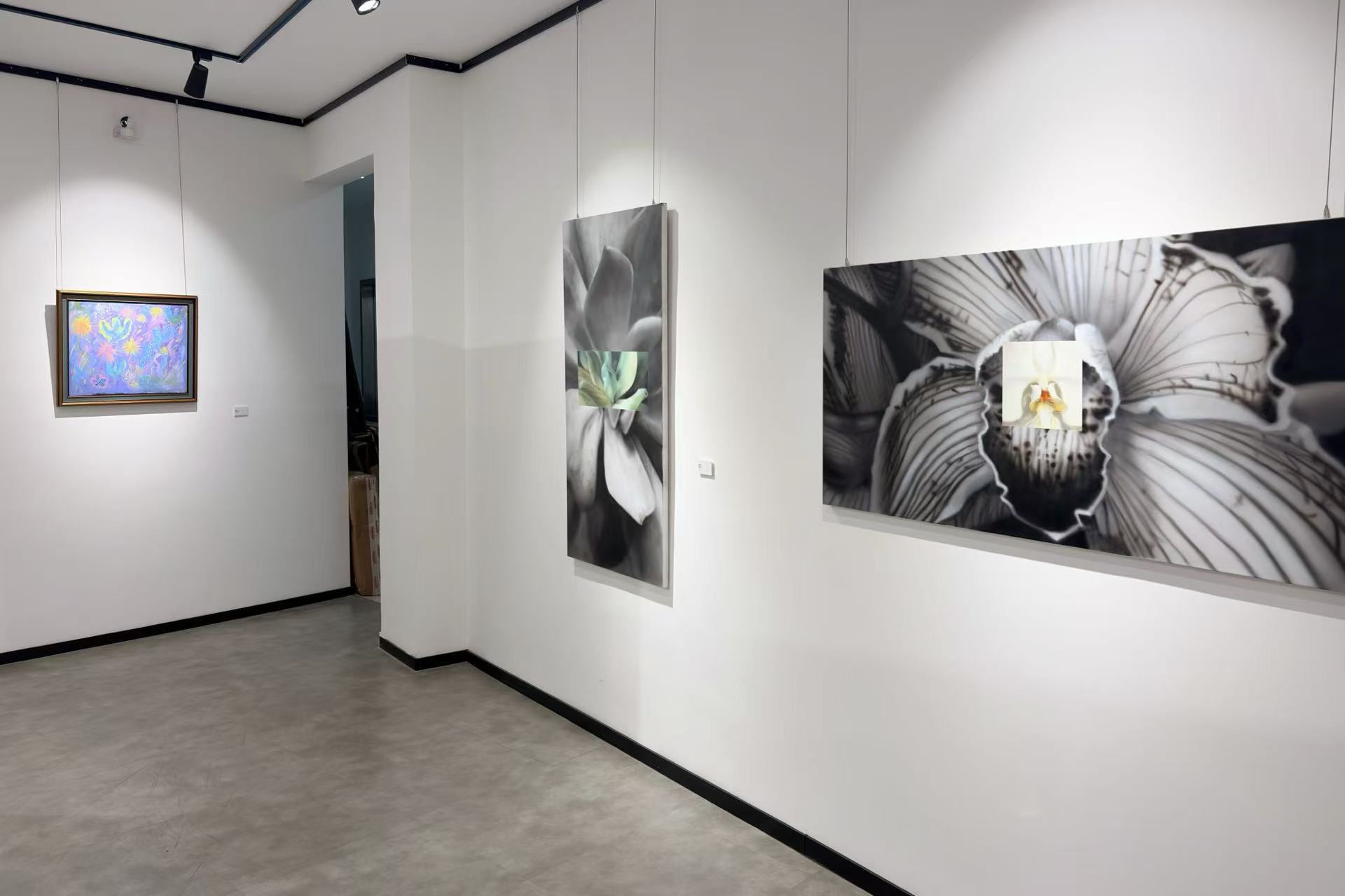
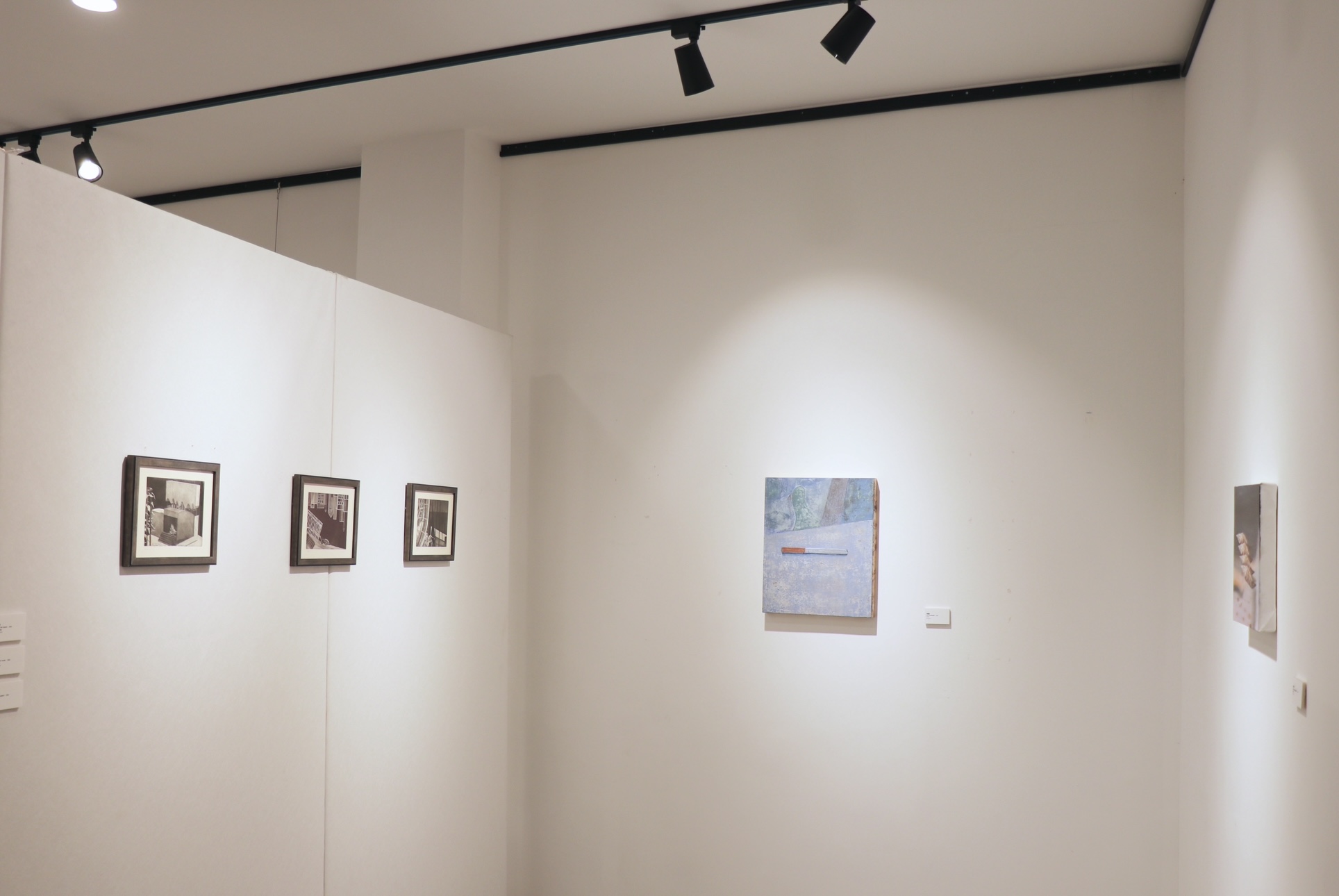
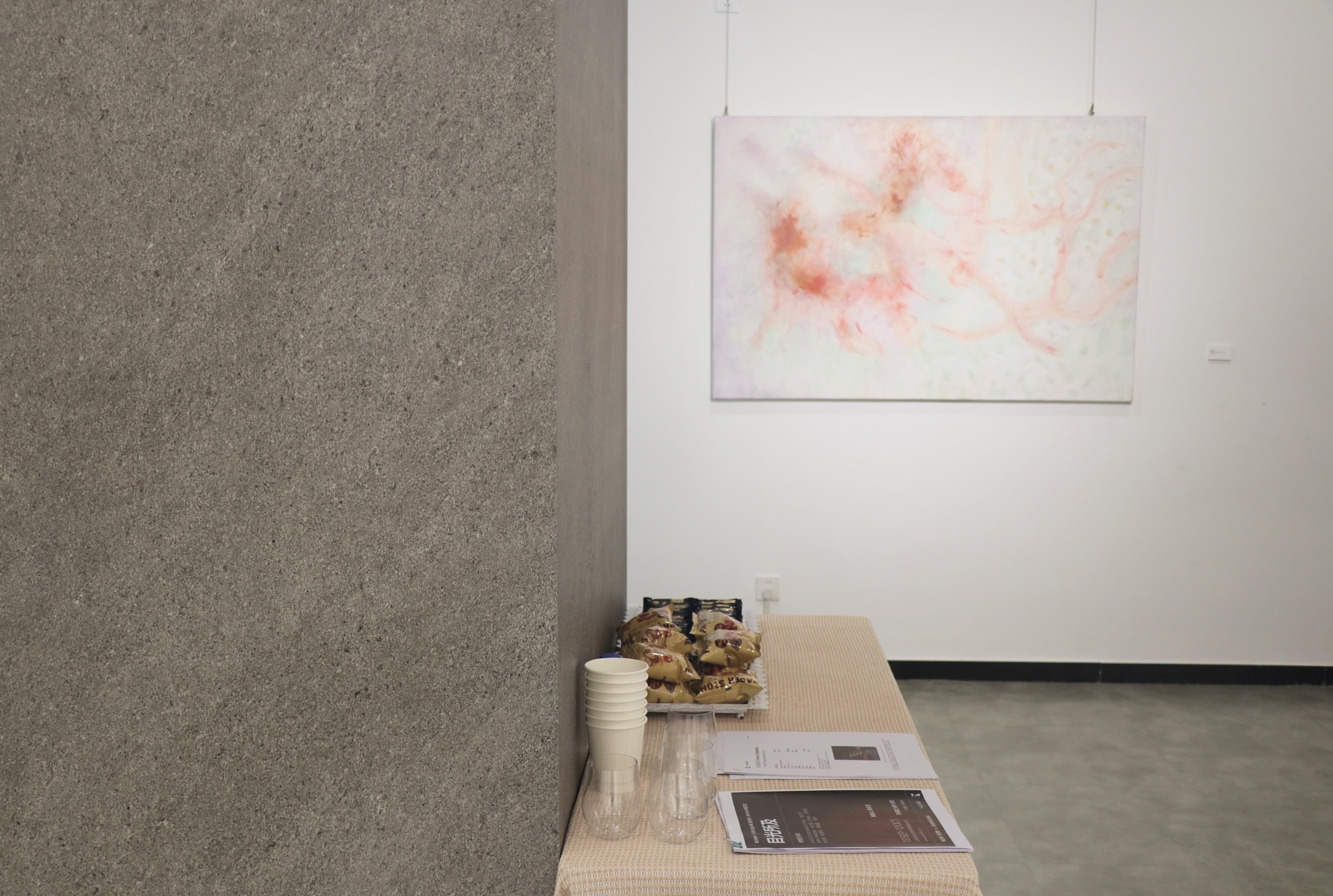
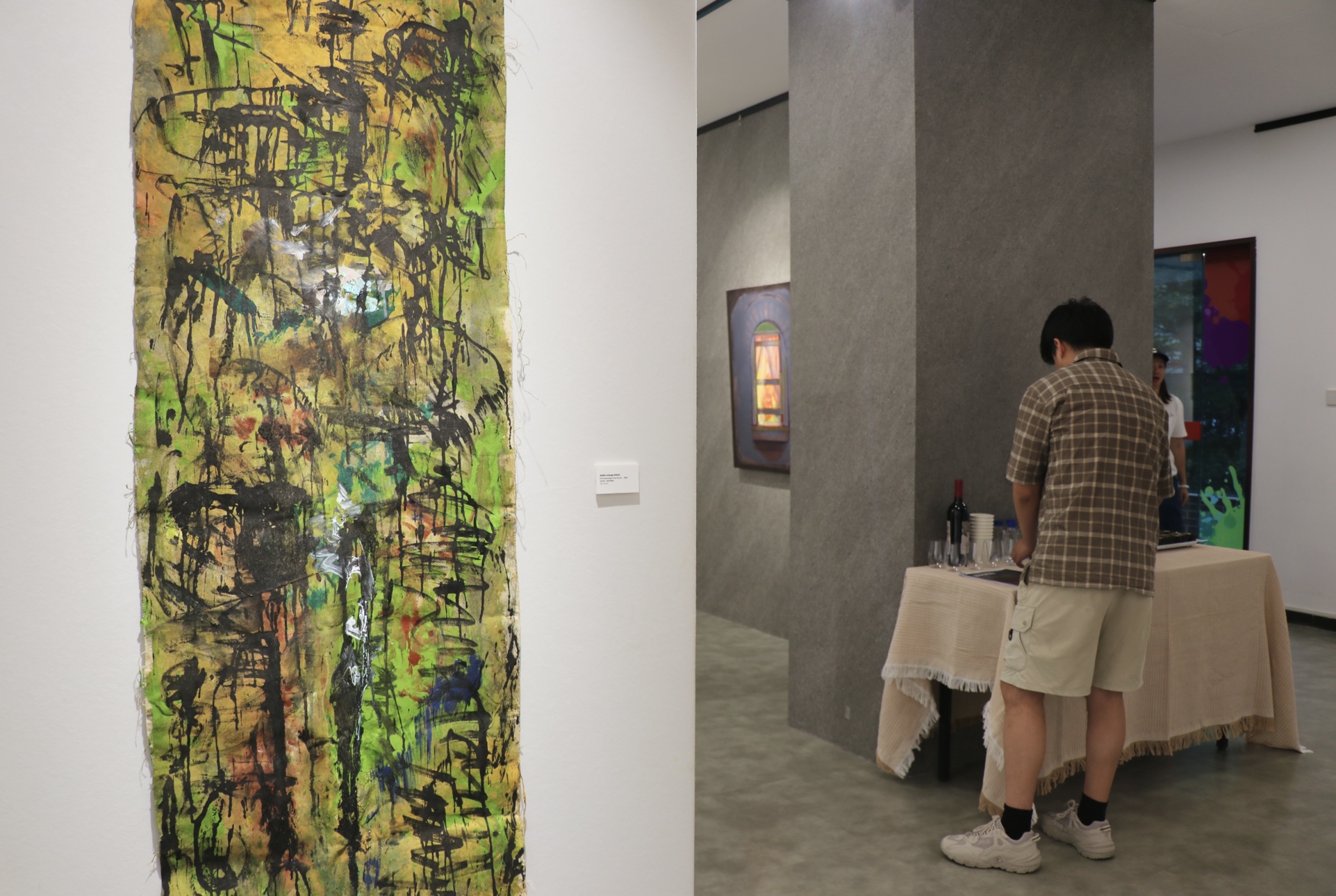
Presented by Rexhibit × MUYAO, Forms of Attention brings together ten artists from different geographic and artistic backgrounds. The exhibition will run from September 12 to October 12, 2026, through a physical group exhibition at MUYAO Art Gallery in Shanghai and a dedicated online presentation by New York-based Rexhibit. Connecting physical and digital contexts, the project creates a cross-regional framework for viewing and exchange between Shanghai and broader international audiences.
Centered on the theme “Where Perception Becomes Form,” Forms of Attention explores how art shapes the ways we see, perceive, attend to, and understand the world. Attention is never neutral: what we choose to notice, overlook, repeatedly observe, or attempt to understand is influenced by personal experience, cultural structures, social environments, and the spaces we inhabit. Art therefore does more than present images or objects; it can slow down the act of looking, redirect our gaze, bring overlooked details back into awareness, and open up new pathways of perception.
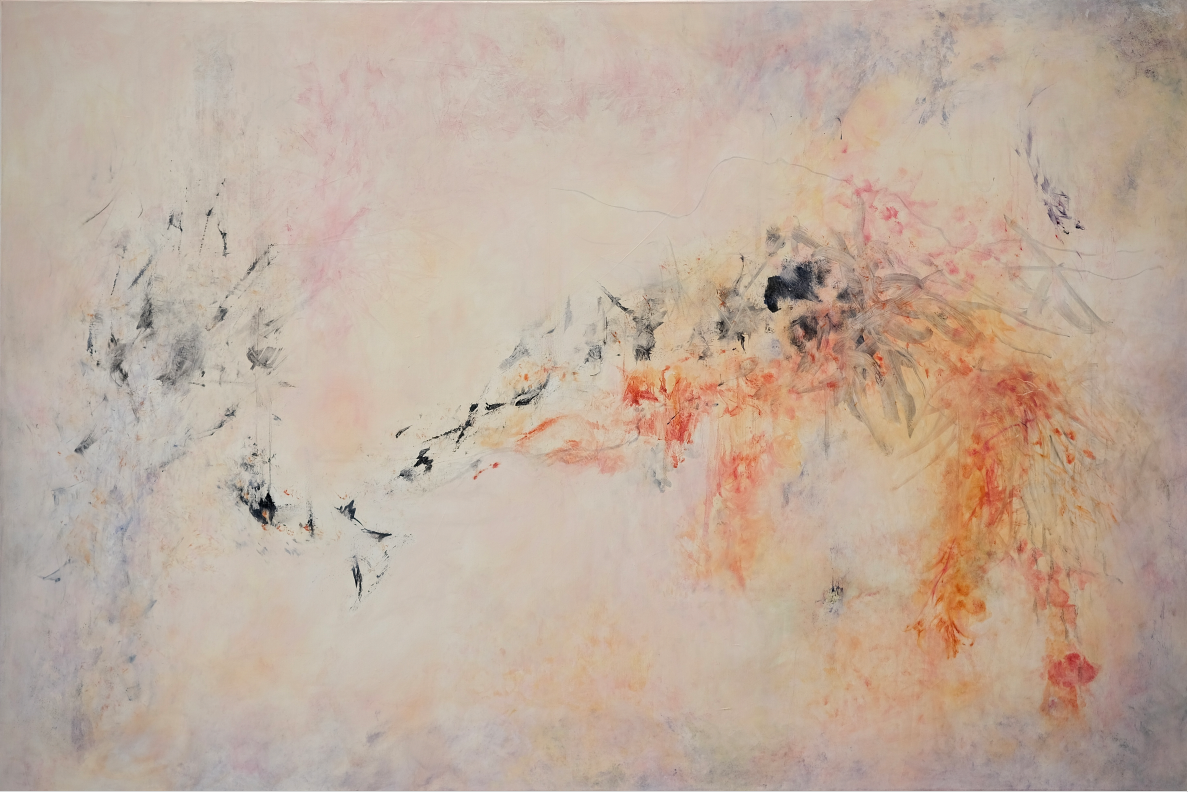
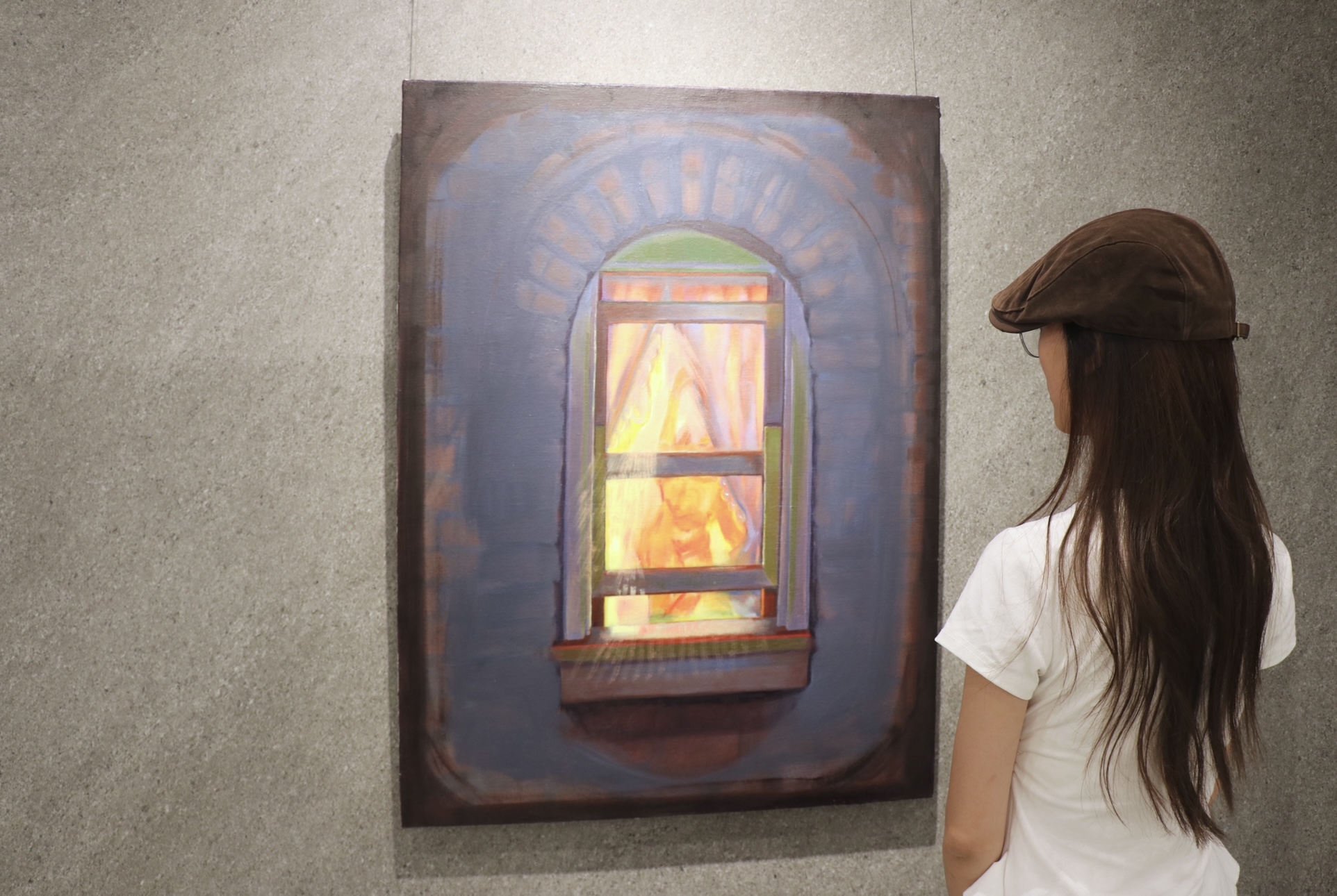
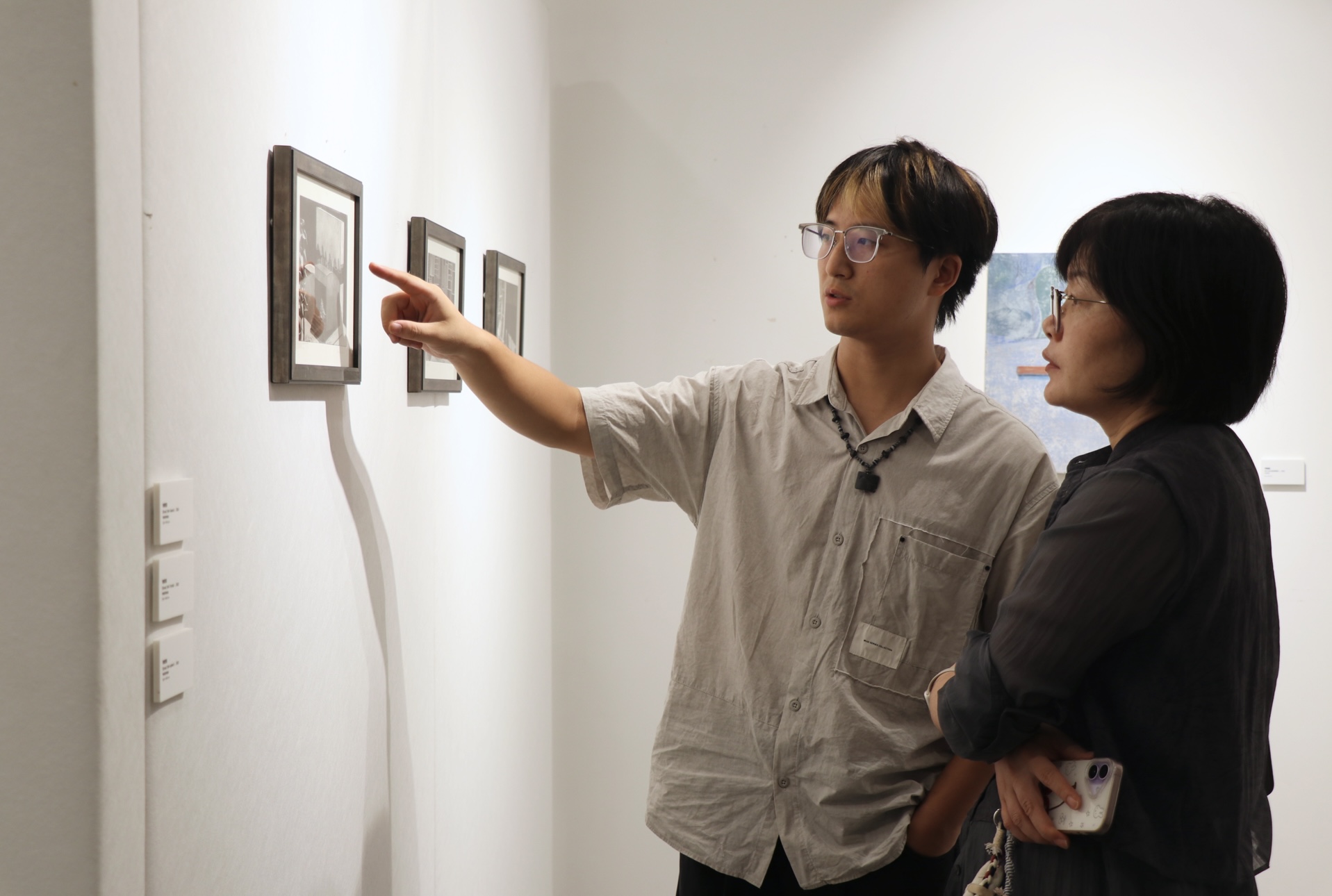
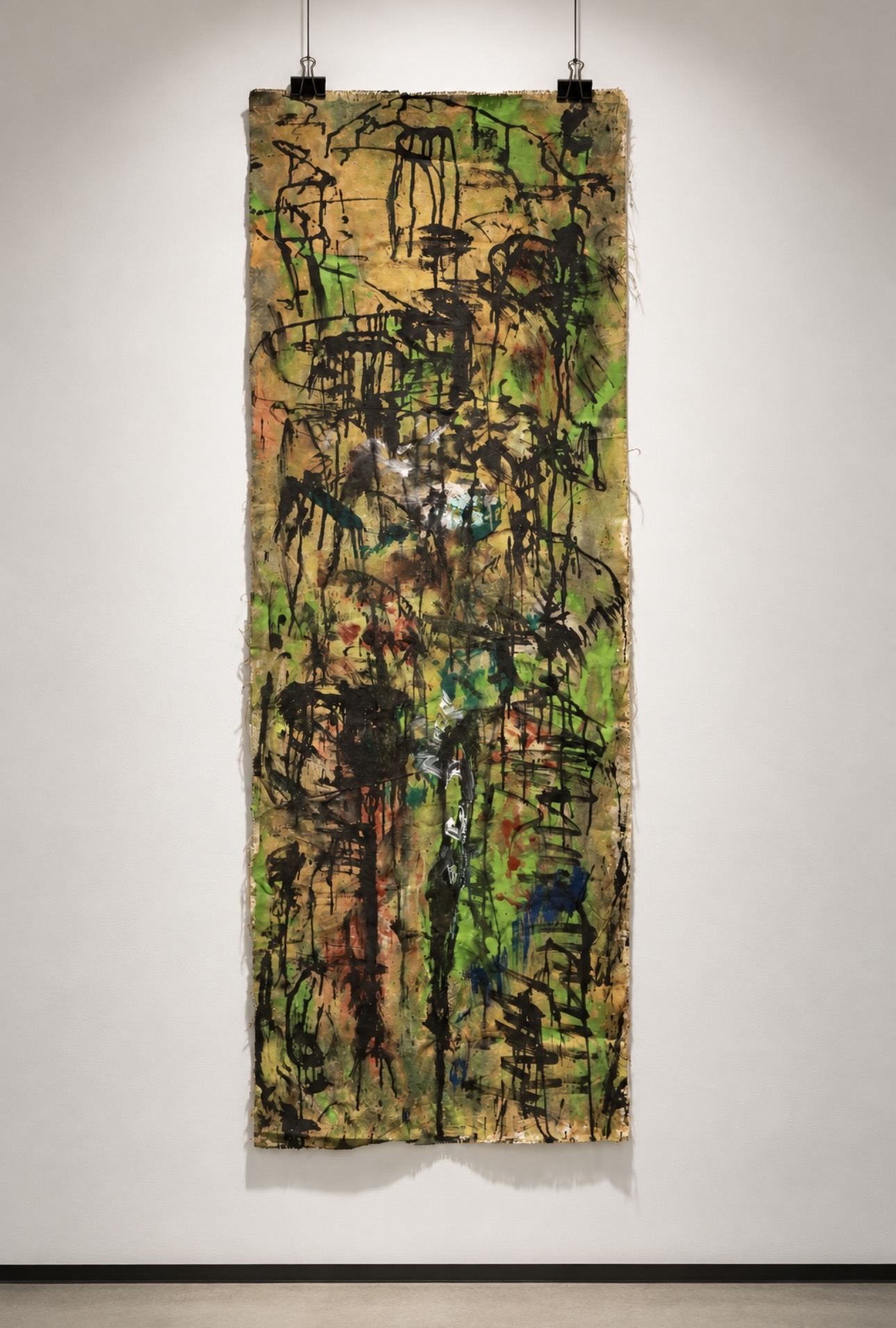
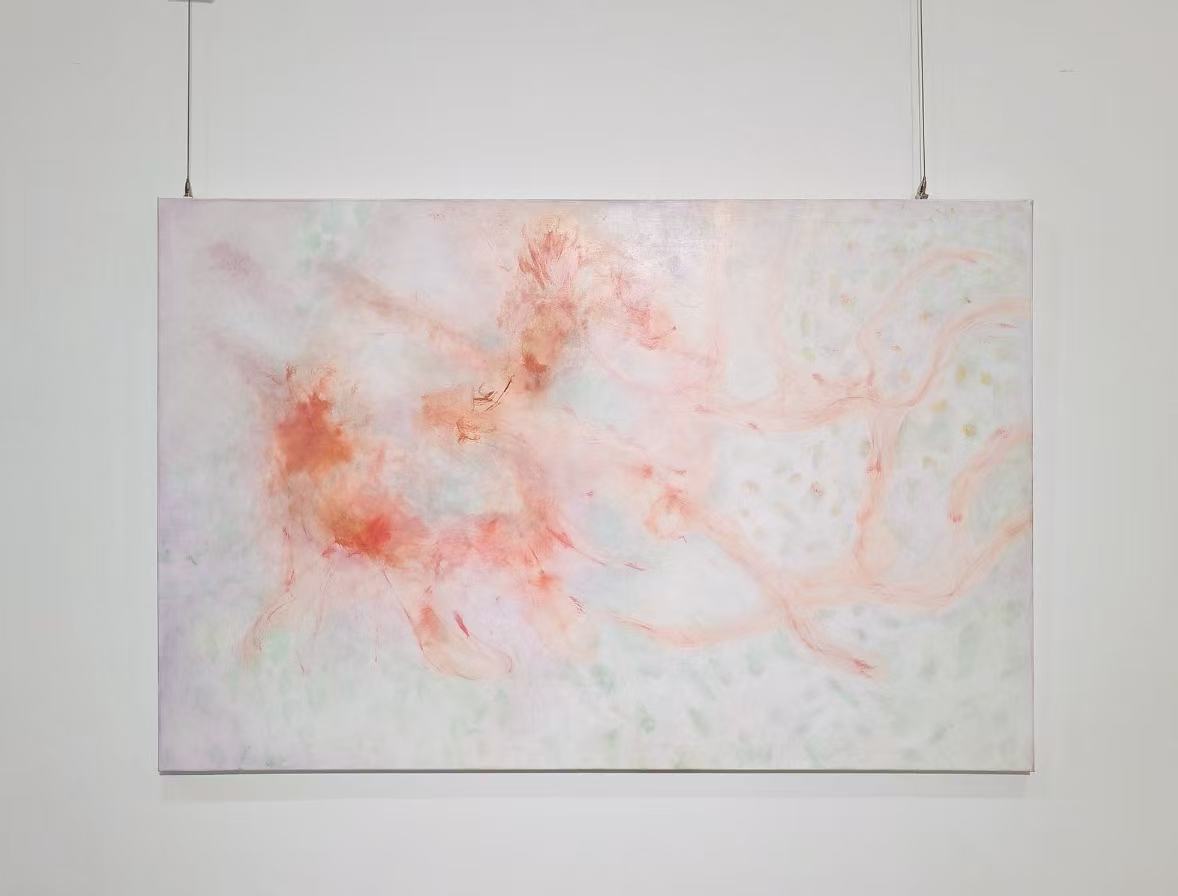
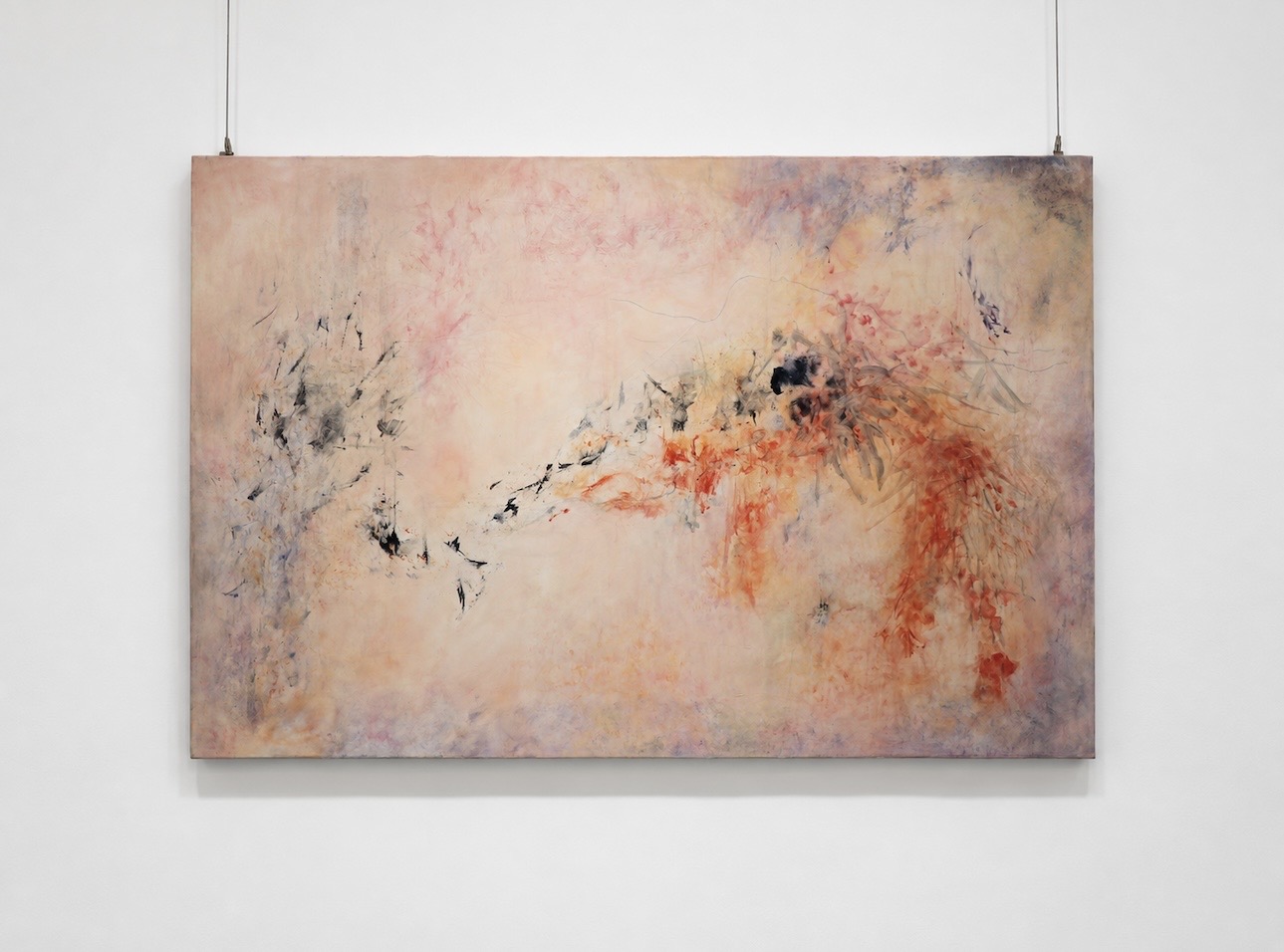
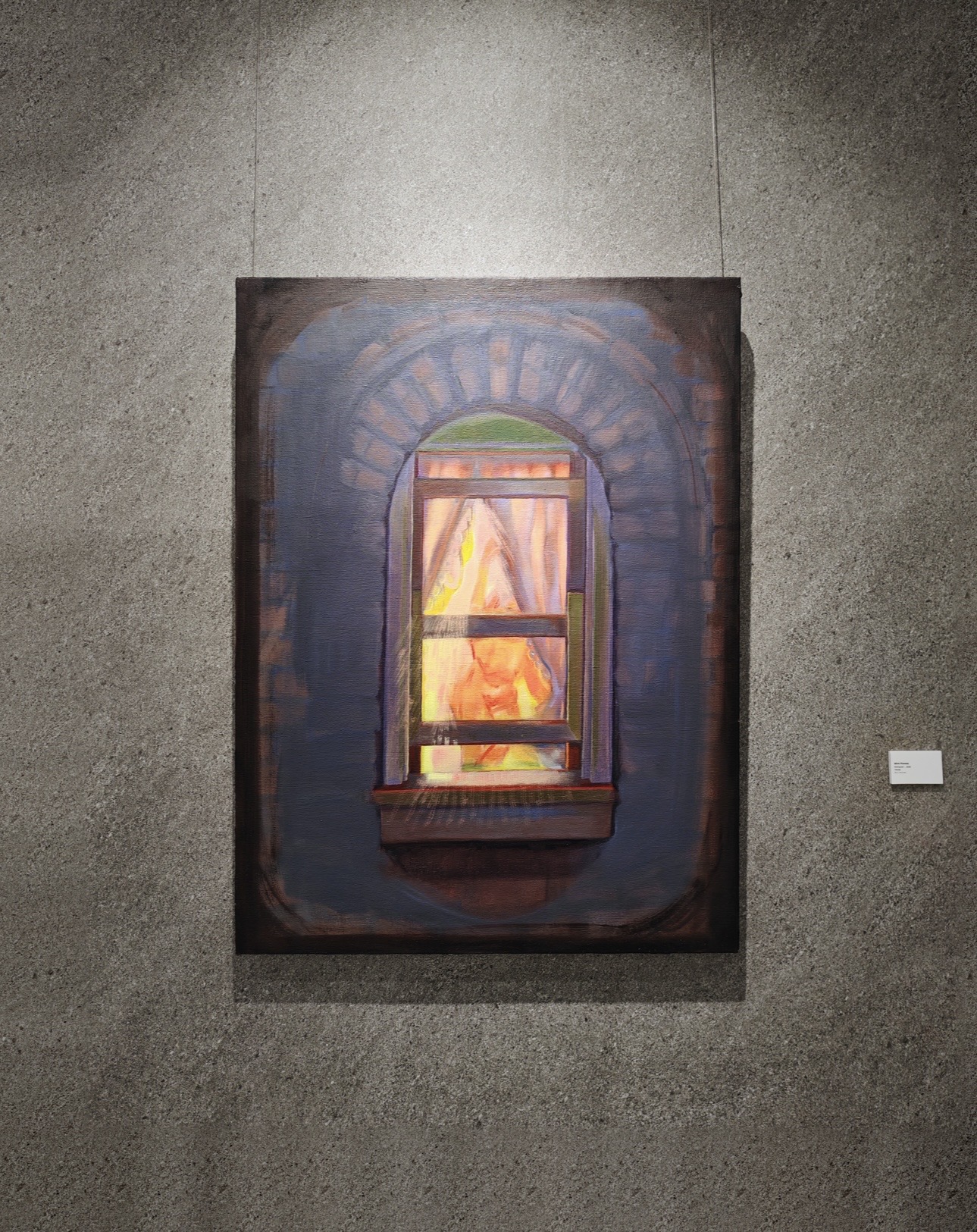
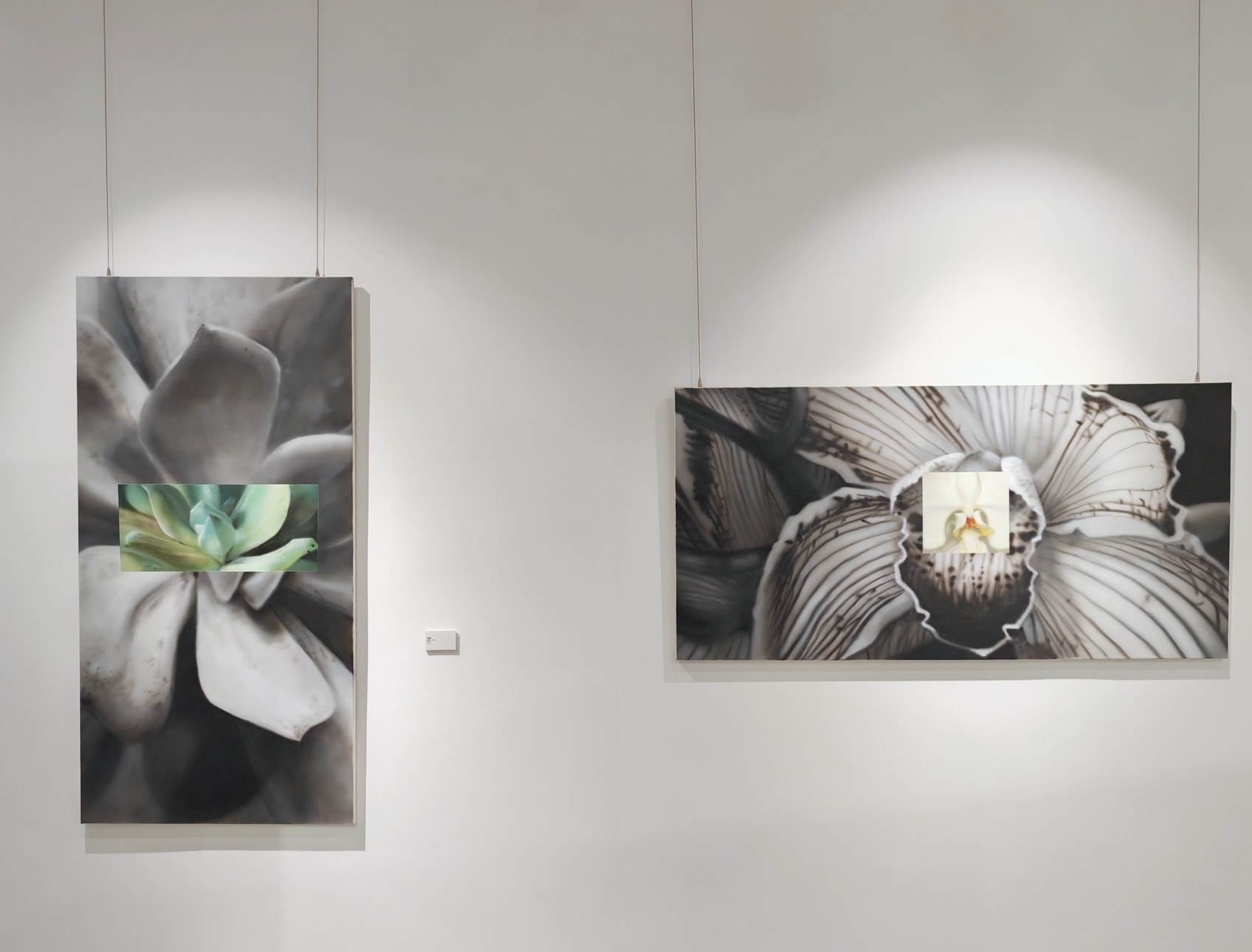
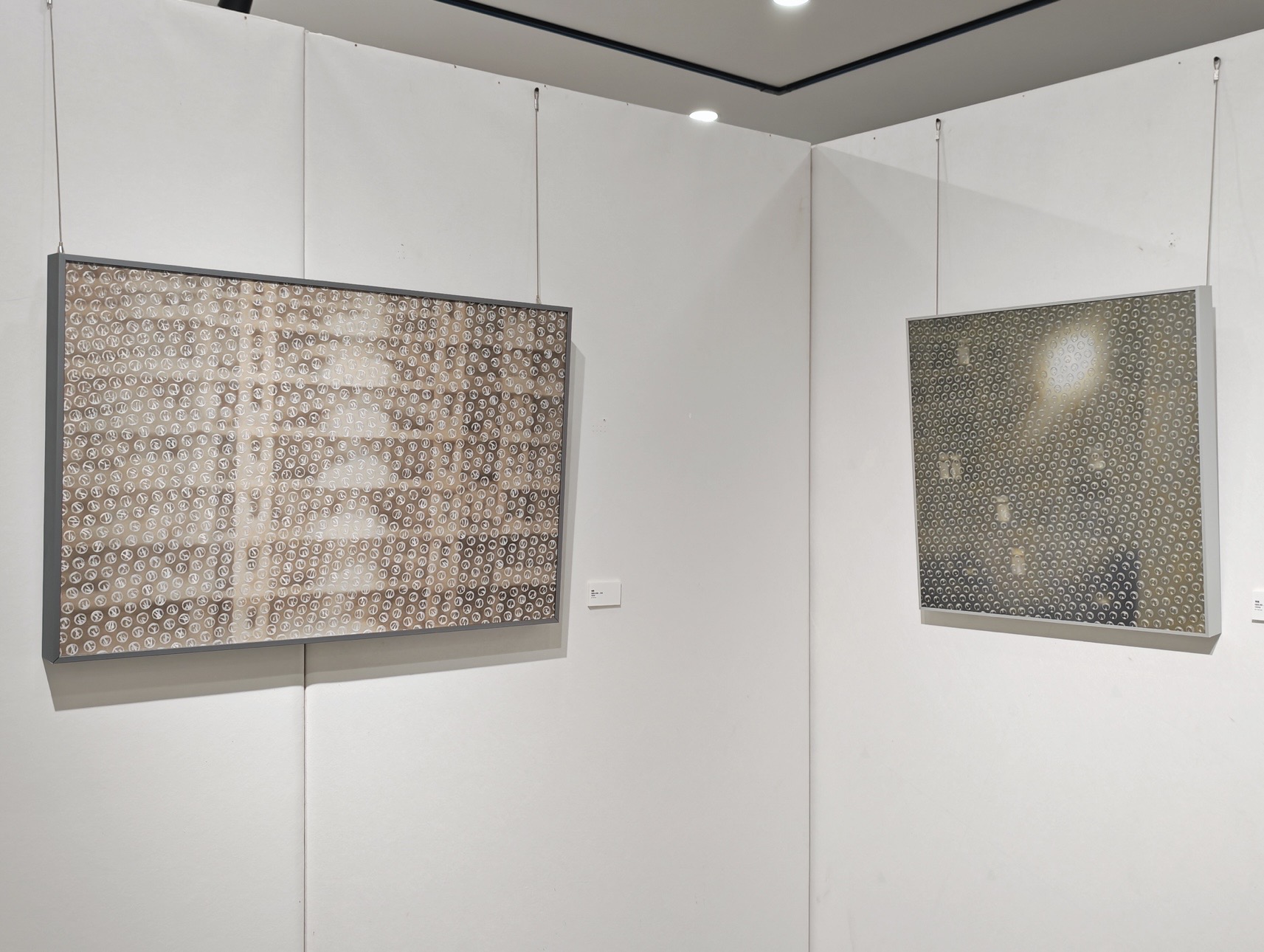
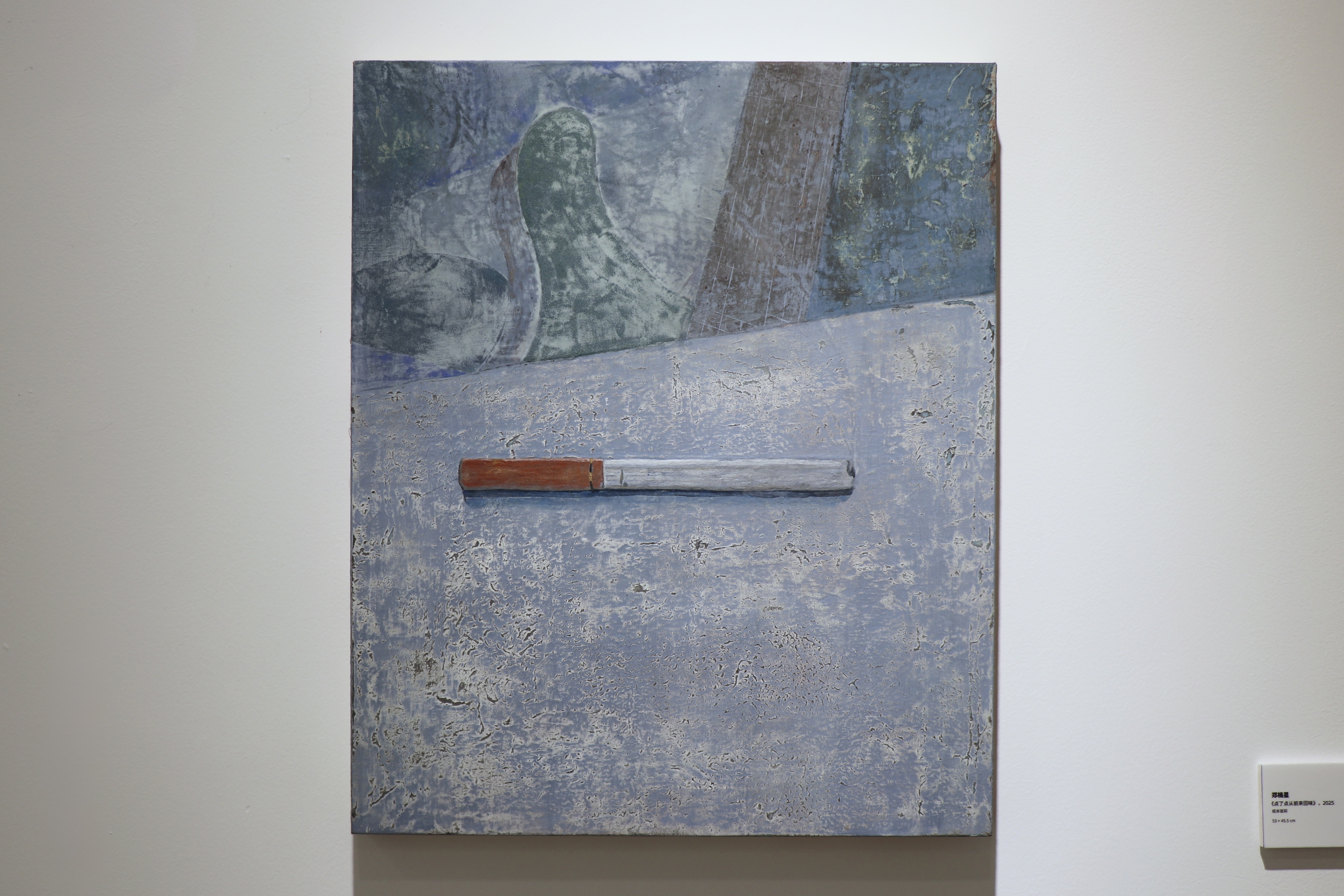
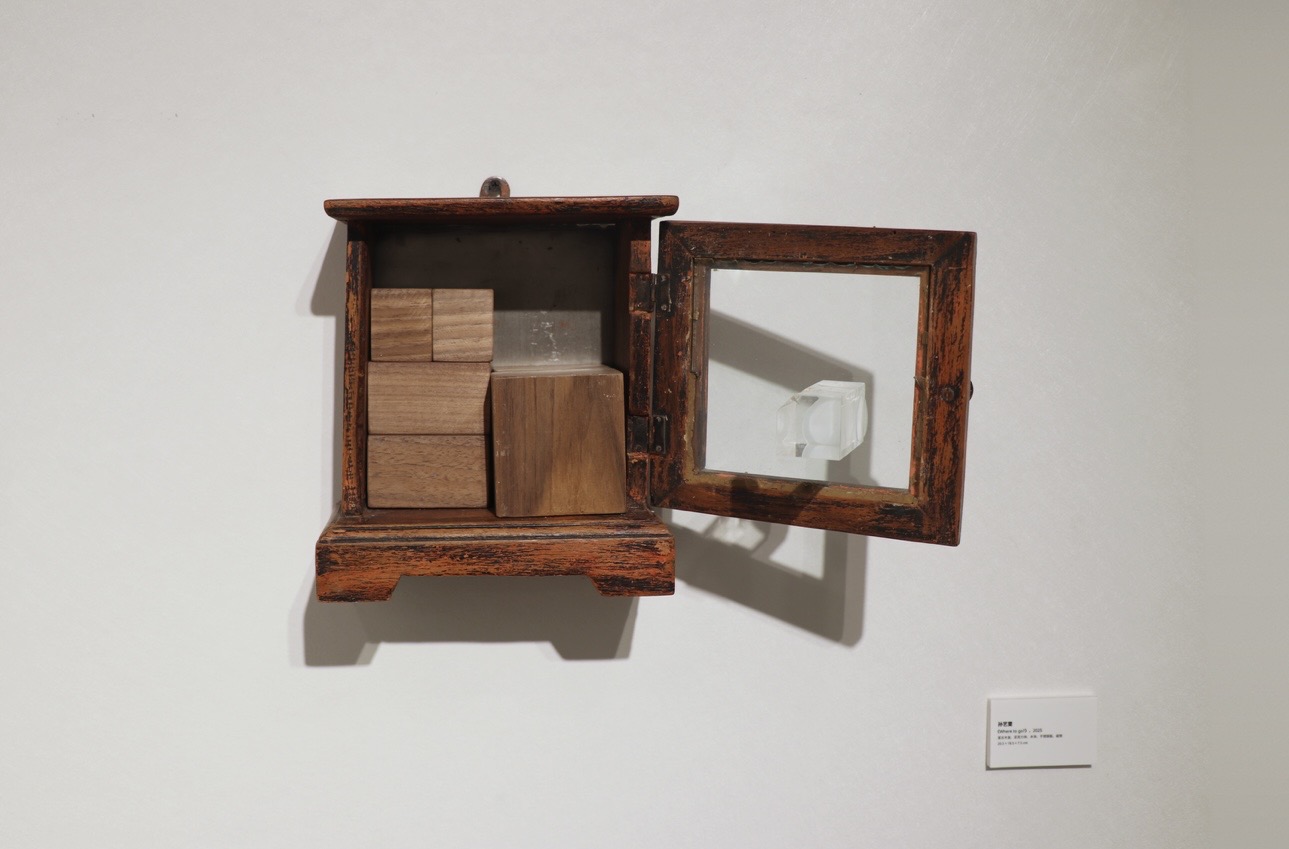
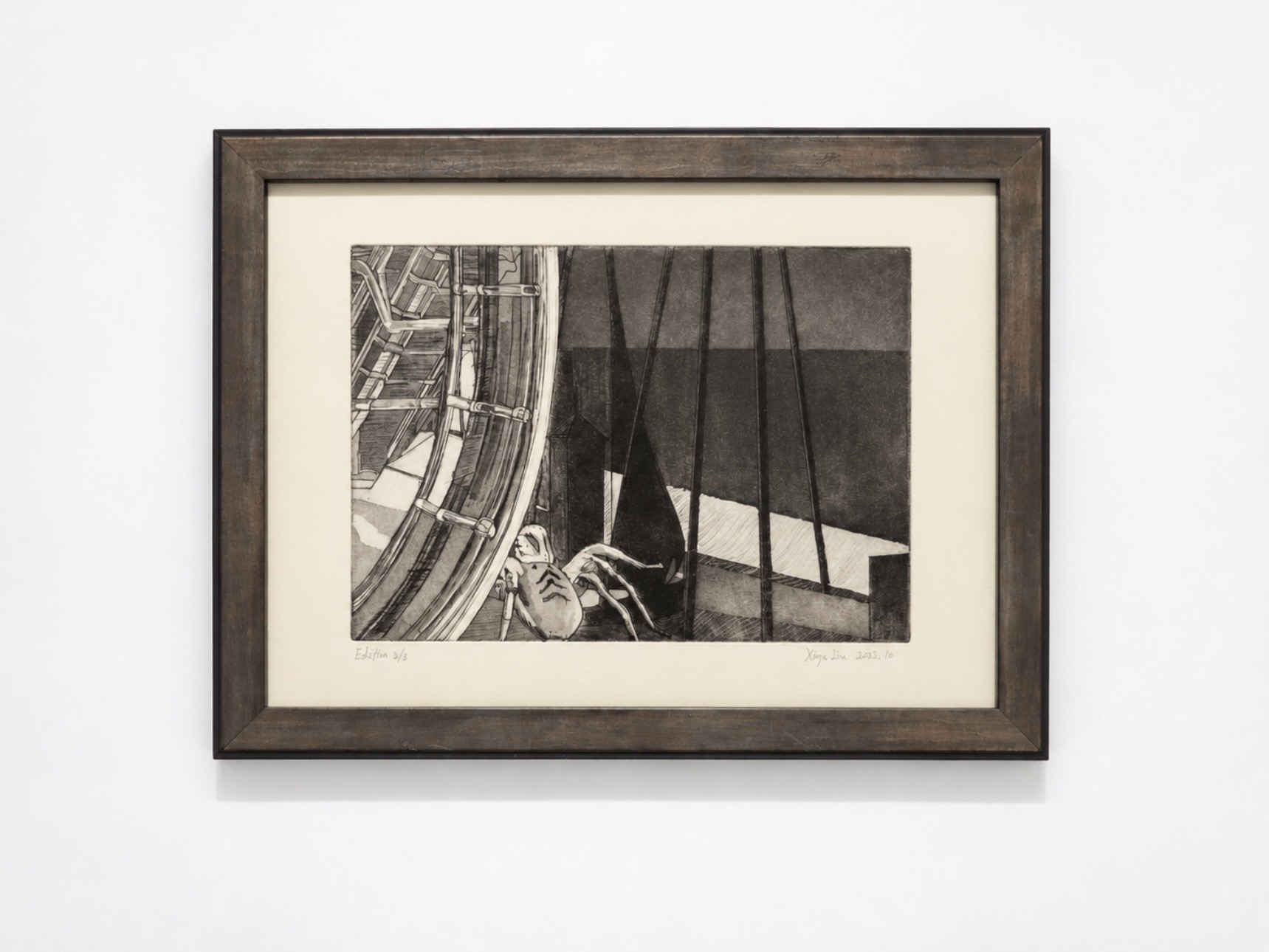
The exhibition brings together works by ten artists: Gaëlle Solange Étémé, Xinyu Liu, Mimi Pinnow, Yiwen Sun, Youyuan Wang, Wanlin Yan, Jianuo Zhang, Linjue Zhao, Nanxing Zheng, and Yong Zheng. Working across different media and experiences, they offer distinct responses to how acts of looking take shape. Sun Yiwen draws from everyday objects, lived experience, and spatial relationships to examine boundaries that often remain unnoticed. Zhang Jianuo uses photographic cropping, recomposition, and AI-generated imagery to bring visual experiences from different times and spaces into overlap. Zheng Nanxing works with the granular texture, transparency, and layered qualities of mineral pigments to address experiences that gradually blur, shift, or acquire new meanings in memory. Liu Xinyu further explores how time, movement, memory, and identity are continually reshaped through changes in space, while Mimi Pinnow draws from everyday labor, weather, color, and bodily sensation to extract fragments of memory and re-anchor them within specific physical spaces.
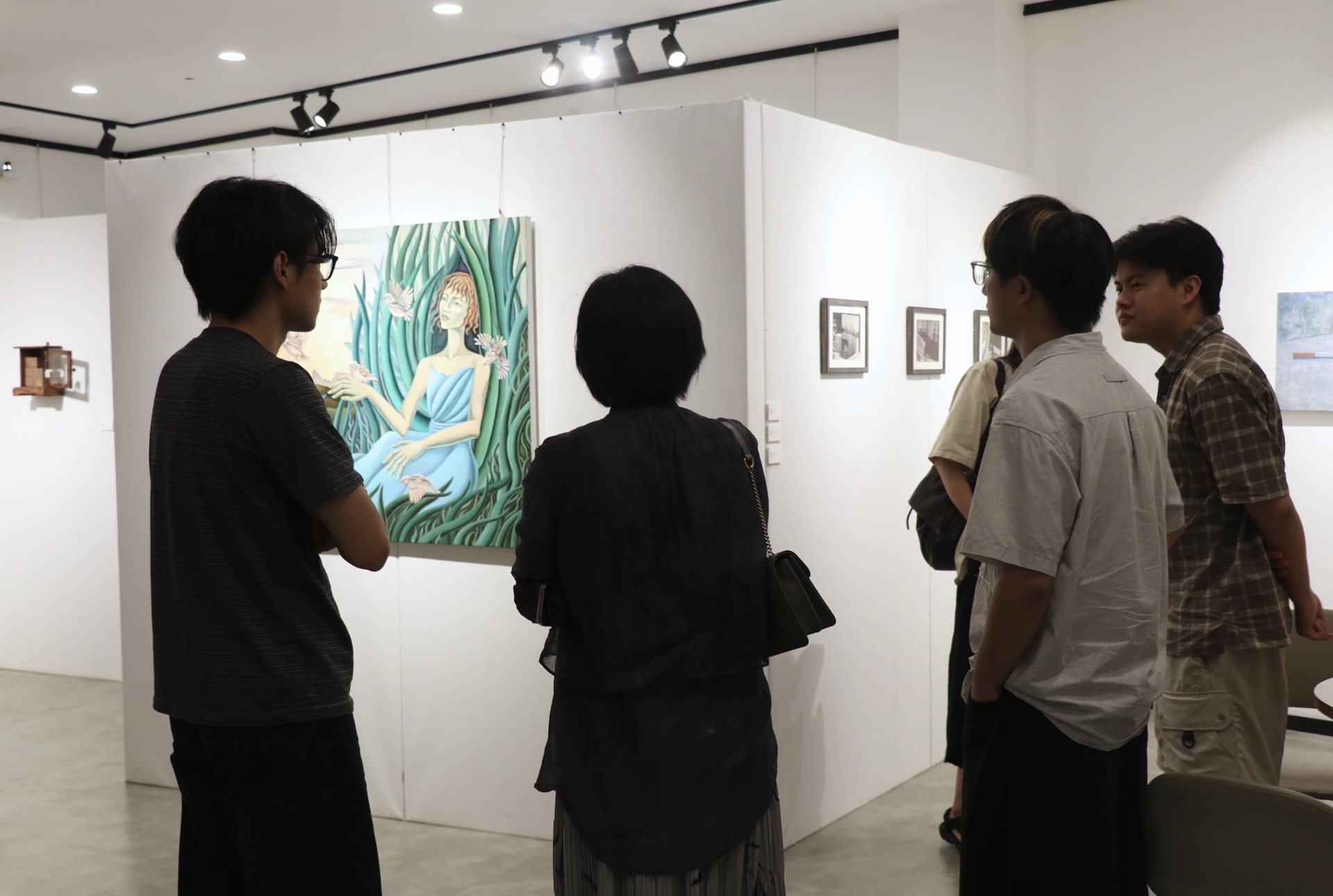
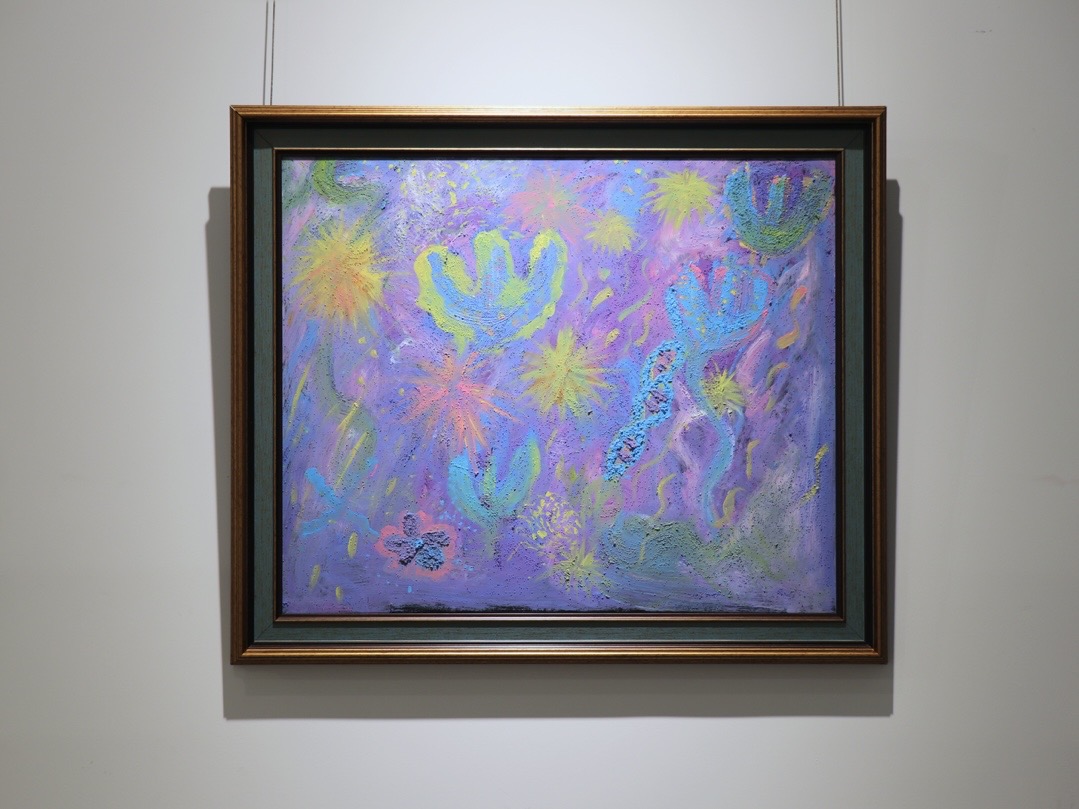
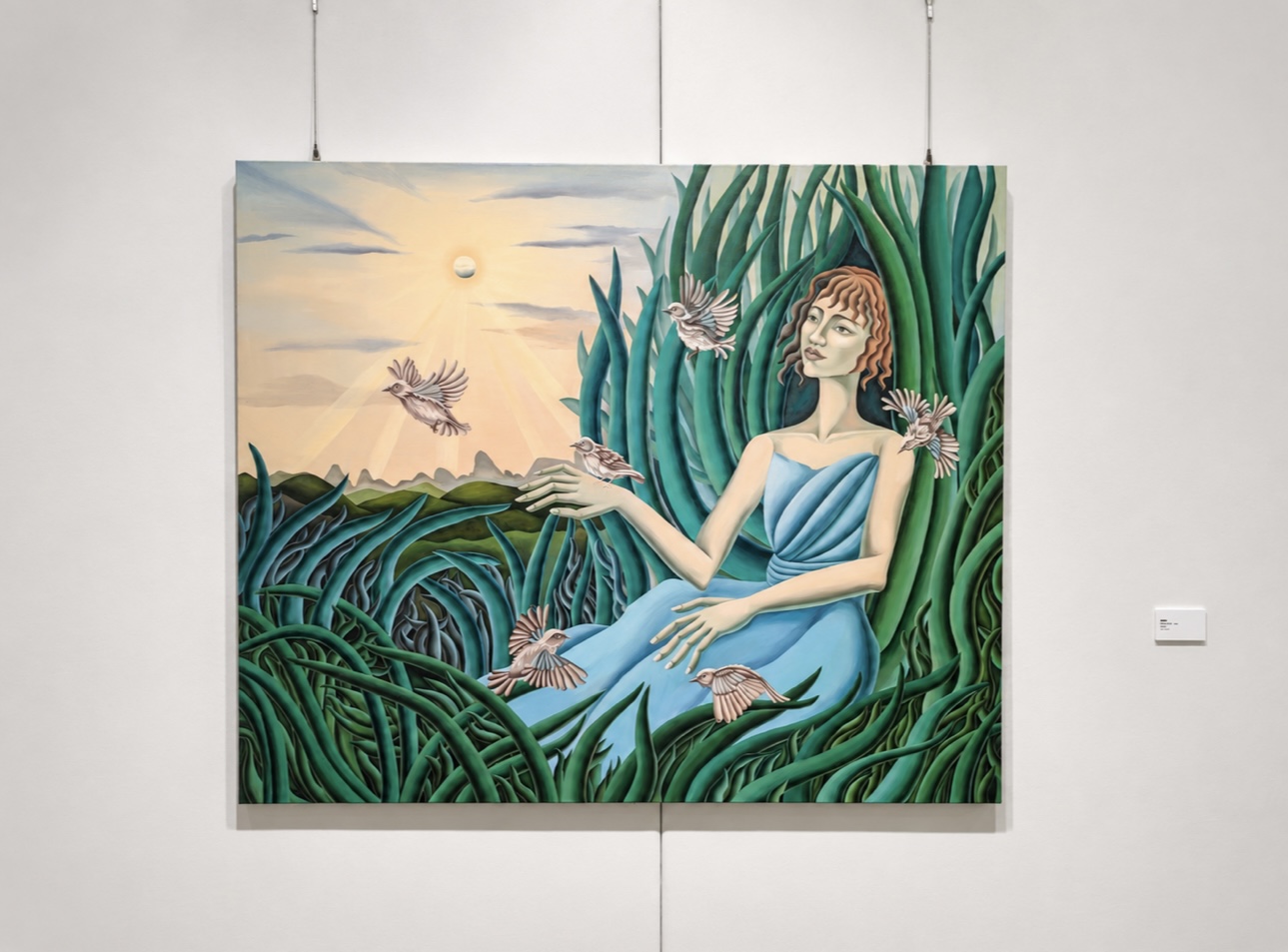
In other works, attention turns toward bodily, emotional, auditory, and spiritual forms of perception. Zheng Yong’s Nothingness series uses visual symbols of time and space, virtual environments, and dolls to address loneliness, alienation, and concealed psychological states. Zhao Linjue’s Chain Transformation: Rebirth takes the DNA double helix as a visual motif, extending its inquiry toward life, the female body, self-reconstruction, and the relationship between identity and continuity. Yan Wanlin constructs dreamlike spaces through plants, figures, and natural landscapes, expressing the sense of healing, security, and mystery associated with nature. Wang Youyuan begins with music, translating auditory experience into color, brushwork, and pictorial space. Gaëlle Solange Étémé’s The Etymology of Form interweaves calligraphy, color, prayer, and singing, extending perception into broader dimensions of time, history, dwelling, and spiritual experience.
Forms of Attention does not seek to establish a single definition of “looking” or “attention.” Instead, it considers how they continually shift across images, materials, spaces, emotions, and embodied experiences. The exhibition invites viewers to reconsider what enters our field of vision, what is habitually overlooked, and what kinds of experiences only begin to emerge through slower and more attentive observation. When perception becomes form, the act of looking itself becomes part of the work.